Bo-Bot and Sunny-Bot: Bringing the First Dogs to Life at the White House
It started with a simple question: how do you make holiday decorations that capture the spirit of the maker movement? For the White House Office of Science and Technology Policy and the Presidential Innovation Fellows program, the answer was Bo-Bot and Sunny-Bot, life-size animated robotic versions of the First Family’s Portuguese Water Dogs that would become part of the White House holiday décor.
For the past several years, Bo and Sunny have been creatively included in the White House holiday decorations. Last year featured a 3D model of Bo with a wagging tail powered by a motor from a reindeer lawn decoration. But this year, the team wanted to go bigger. They wanted to create life-size, animated “dog-bots” that would respond to movement and bring the First Dogs to life in a whole new way.
Building Life-Size Robots
The project brought together Stephanie Santoso, Mark DeLoura, and Laura Gerhardt from OSTP, along with David Naffis and Bosco So from the Presidential Innovation Fellows program. These volunteers worked on the dog-bots during their free time over six weeks, and the process gave them firsthand experience with the patience, determination, and fun that goes into maker projects.
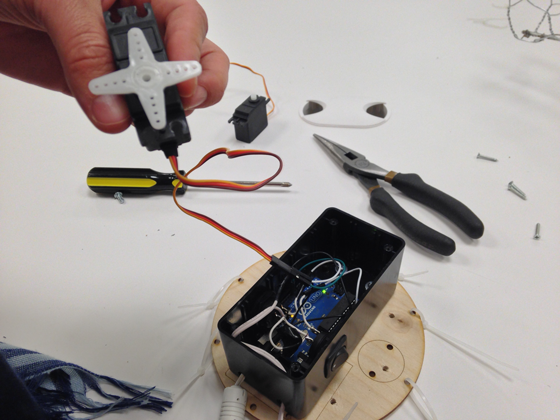
The hardware foundation was built on an open-source electronics platform designed for interactive projects. Servomotors, motors coupled with sensors that provide angular position feedback, were used to animate the bot heads. These motors can rotate 180 degrees and are commonly used in robotics and animated toys. The teams programmed software to control the speed, angle, and sequence of head rotations, giving each dog its own personality through movement.
The Iteration Process
Bo-Bot went through about five different prototypes, with each design presenting new challenges. The first design enclosed the hardware and motor neatly within a box, but that quickly became a problem. The box prevented heat from escaping, causing the motor to overheat and burn out. The team switched to a custom open platform where both the motor and platform could be mounted. The platform and special attachment brackets were made from wood and laser cut at a local makerspace.
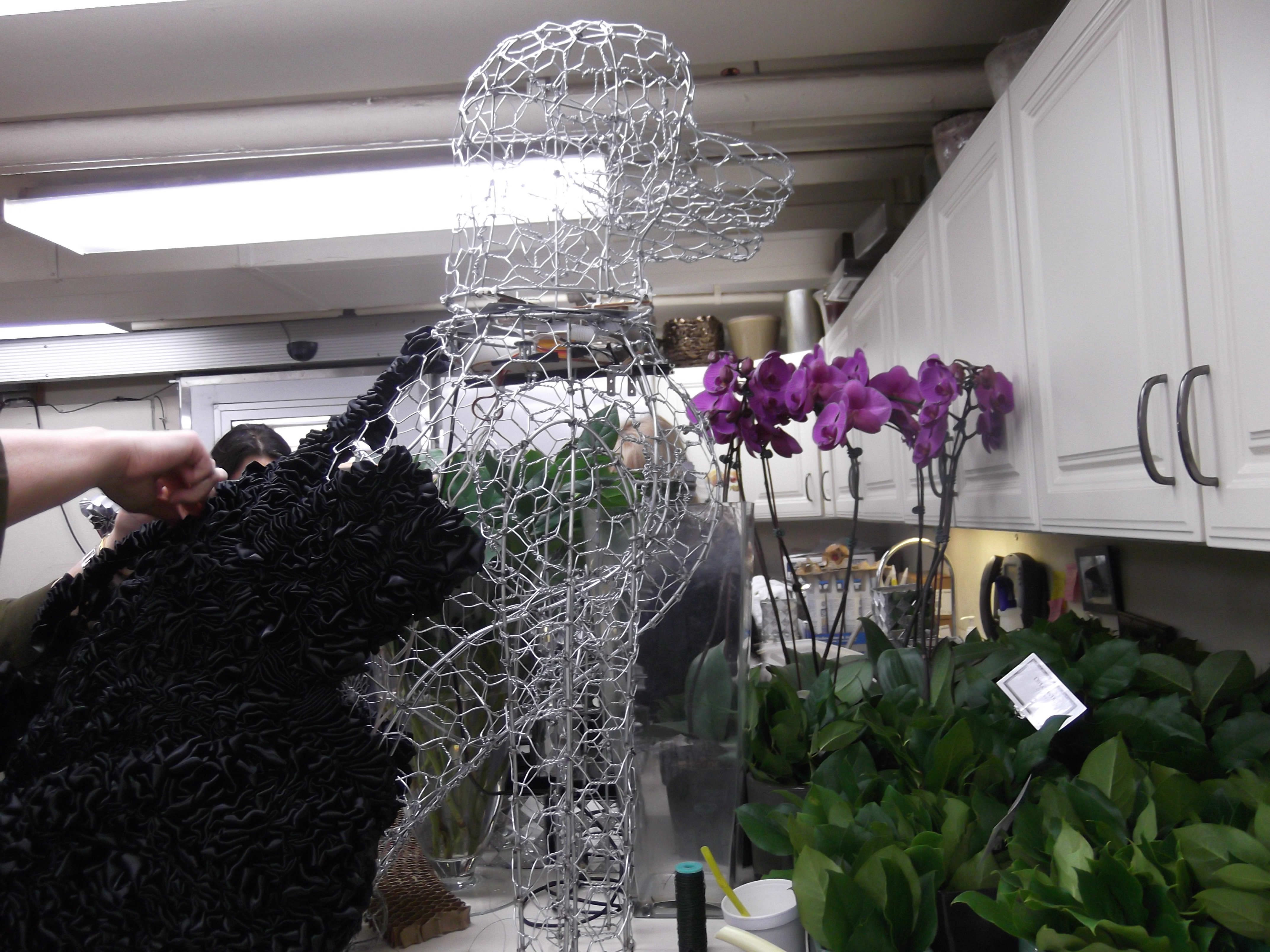
Developing a way to attach the motor to the head while providing stability and the right amount of give to prevent overheating created an additional challenge. The solution came through adding a metal bar for support and zip ties. Sometimes the best solutions are the simplest ones.
Sunny-Bot went through a similar number of iterations. The greatest difficulty was precisely positioning the head at specific angles. The team tried different types of motors and eventually settled on a servomotor, a motor that can move to specific angles along an arc without needing end switches or other position identification methods. But Sunny-Bot got something extra: infrared sensors in her eyes, allowing her to track movements and follow individuals across a room with her head.
Making It Open Source
What makes this project special isn’t just that it’s at the White House. It’s that the teams posted the source code online and provided information for how individuals can make their own dog-bots at home, school, or their local makerspace. This commitment to open source and accessibility reflects the broader maker movement philosophy: technology should be something you can understand, modify, and build yourself.
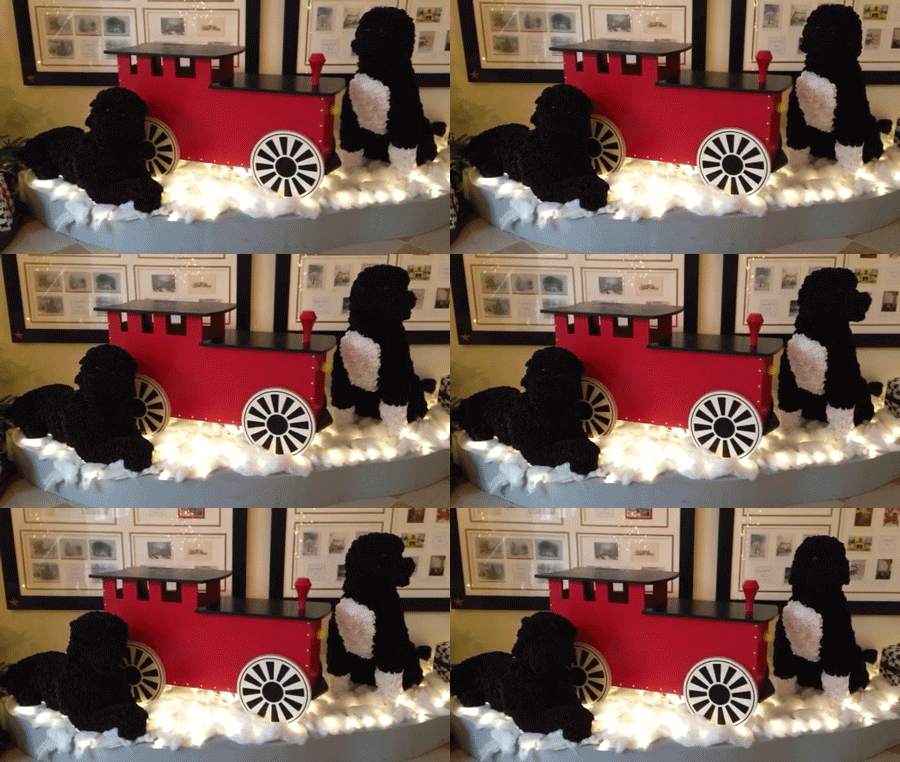
The project also demonstrates something important about collaboration. The OSTP and PIF teams initially worked on Bo-Bot and Sunny-Bot separately, which resulted in slightly different implementations. During the final stages of assembly, the teams came together to collaboratively troubleshoot and make the last tweaks required to get the dogs running in time for the holiday season. Different approaches, different solutions, but working toward the same goal.
Integrating elements of the Maker Movement into the White House holiday décor is part of a broader effort to highlight the importance of making to American innovation. As President Obama said at the White House Maker Faire last June: “Today’s D.I.Y. is tomorrow’s made in America.”
Bo-Bot and Sunny-Bot represent something bigger than just holiday decorations. They demonstrate that maker projects don’t need to be complex or expensive to be meaningful. You can take accessible hardware, write straightforward code, and create something that brings joy and demonstrates real technical concepts. The project shows that robotics and interactive electronics are within reach for anyone willing to learn and experiment.
The fact that this happened at the White House, that makers were invited to bring their skills to one of the most visible addresses in the world, sends a powerful message about the value of hands-on making, open-source hardware, and the maker movement itself.
What Made It Special
You have life-size robotic dogs made with open-source hardware, programmed with accessible software, built by volunteers in their free time, and displayed as part of official White House holiday decorations. It’s playful and accessible, but it also demonstrates real technical concepts: servomotors, sensors, programming, iterative design.
The project has been covered by The Washington Post, which highlighted how the White House holiday décor went digital with dog bots and crowdsourced tree lights. The White House blog documented the entire process, from initial prototypes to final assembly.
Bo-Bot and Sunny-Bot demonstrate how accessible hardware, open-source software, and maker spirit can come together to create something unique and engaging, even at 1600 Pennsylvania Avenue.